
- Home
- Why Clinamen
- Philosophy
- White paper
- The divider effect and SUT gain
- Total damping calibration to maximize tracking performance in MC cartridges
- Thinking beyond 47k: SUT primary loading and its effects on damping
- Clinamen Step-Up Transformer Theory
- IMA Amplifiers and Volume Control: Evolution of Audiophile Thought
- Philosophy of Physical Music Media
- Reviews
- Pricing Policy and Technical Support
- Contact


Project guidelines
PROJECT GUIDELINES FOR THE CALABI-YAU LOUDSPEAKER
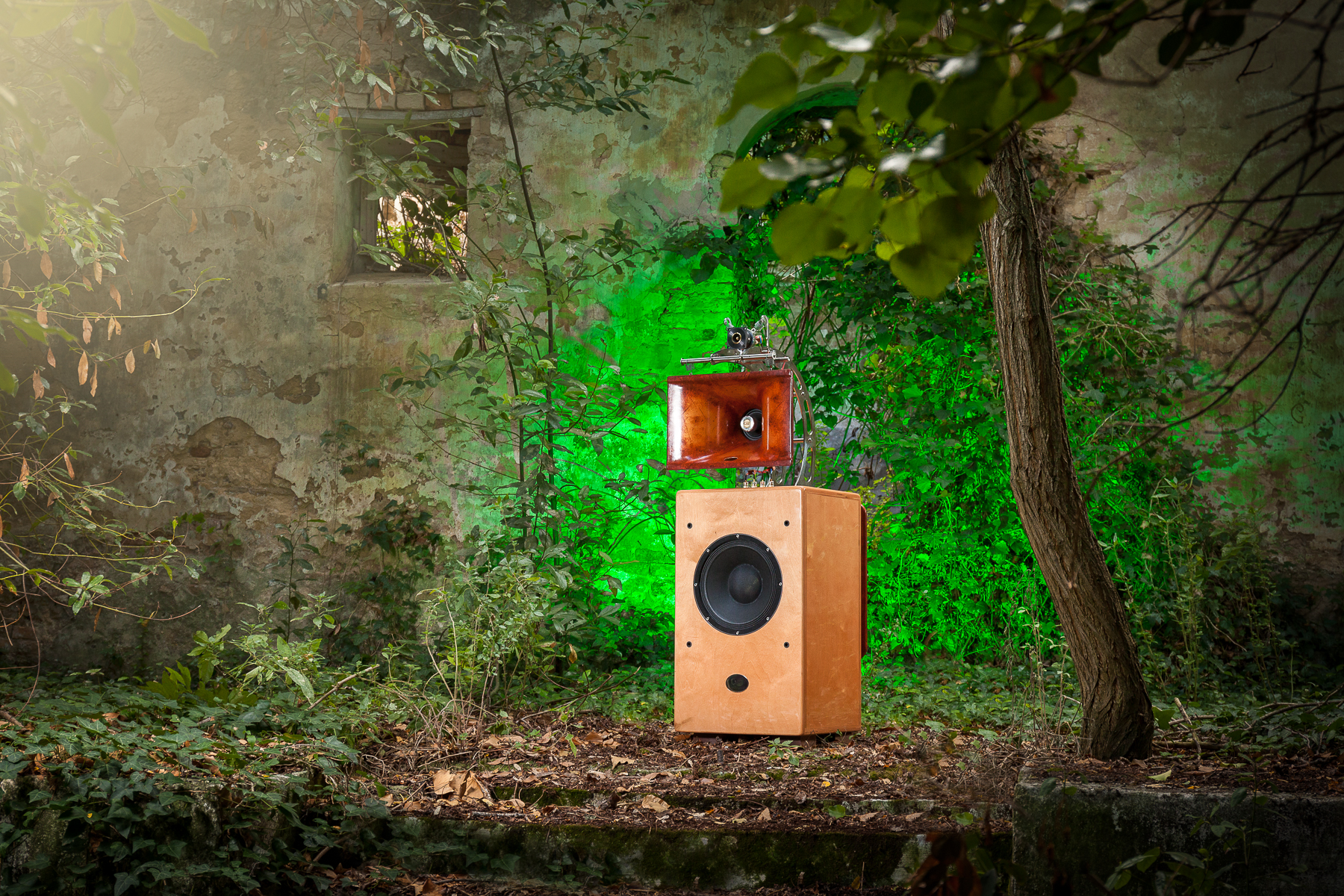
Rather than referring specifically to a loudspeaker, I could speak of the “Calabi-Yau” project, since the development of this particular loudspeaker spans a decade. The drive for evolution and the instinctive desire to reach the utopian goal of perfection are inherent in human nature, and the Calabi-Yau project embodies this aspiration.
I believe that the loudspeaker is the most defining element in one's approach to the art of high-fidelity sound reproduction. It is the cornerstone around which the rest of the audio chain should be built in a synergistic manner.
The philosophy that distinguishes my brand is the design and manufacture of loudspeakers with high electroacoustic transduction efficiency. I consider this the only way to approach the emotion and realism of an actual musical performance. It is a necessary condition, but obviously not a sufficient one.

In every field of physics, a good design is one characterized by high transduction efficiency. Why should audio be any different?
In a loudspeaker, the input quantity is electrical power, while the output quantity is acoustic power. The loudspeaker performs a conversion between these two forms of energy, and the quality with which it performs this conversion is called EFFICIENCY. In conventional commercial loudspeakers, efficiency is almost always well below 1%. Exactly. This means that more than 99% of the electrical power is dissipated as entropy, heat, friction, and so on.
One might argue that by supplying a low-efficiency loudspeaker with a large amount of electrical power, we can nevertheless achieve high sound pressure levels, and this is certainly true. This was the approach that became widespread with the advent of the transistor after the 1960s, which made large amounts of inexpensive electrical power readily available. However, in my view, we can never reproduce the emotion, harmonic texture, and vitality of a real musical event in this way.
How can we possibly regard less than 1% of the initial energy as statistically representative of the original electrical signal?
In professional audio, horn-loaded loudspeakers can achieve efficiencies approaching 50%. Horns act as acoustic impedance transformers, adapting the low acoustic impedance of the loudspeaker driver to that of the air. However, the problems associated with this approach are still extremely complex and difficult to solve: very large physical dimensions, limited low-frequency extension unless extremely large mouth areas are used, and, in the high-frequency range, frequent coloration, non-linearity, increased directivity at higher frequencies, and difficulty in extending the response downward.
After many years of testing and listening, I have arrived at my principal solution: using waveguides to load the midrange drivers. I consider this the best compromise between efficiency, directivity, low distortion, and naturalness.
For the low-frequency range, I always choose direct-radiating woofers with a diameter of at least 11–12 inches. Horn loading, which I consider capable of unrivalled performance, requires, in my experience, a mouth area of more than 0.75 square metres in order to be implemented properly.
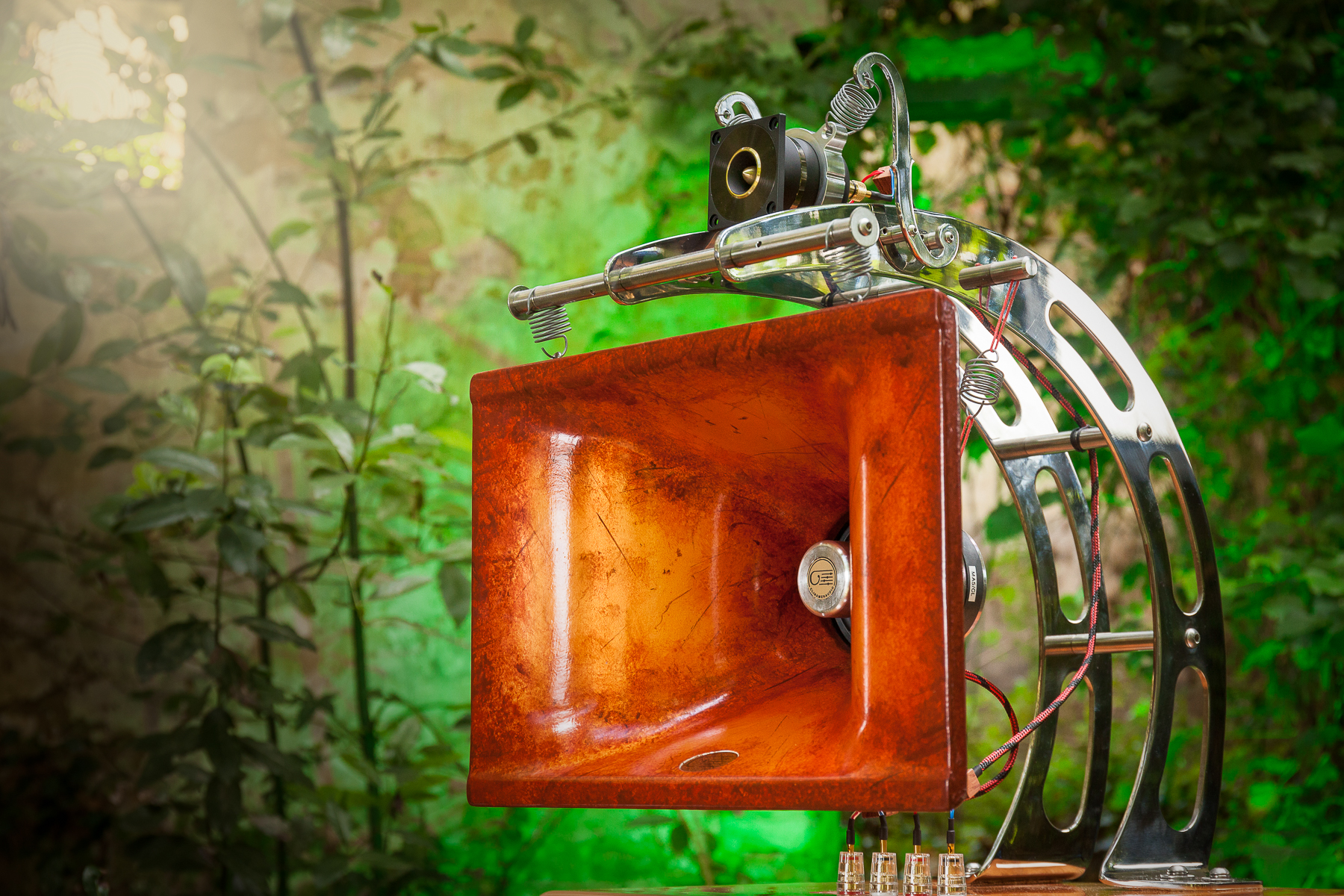
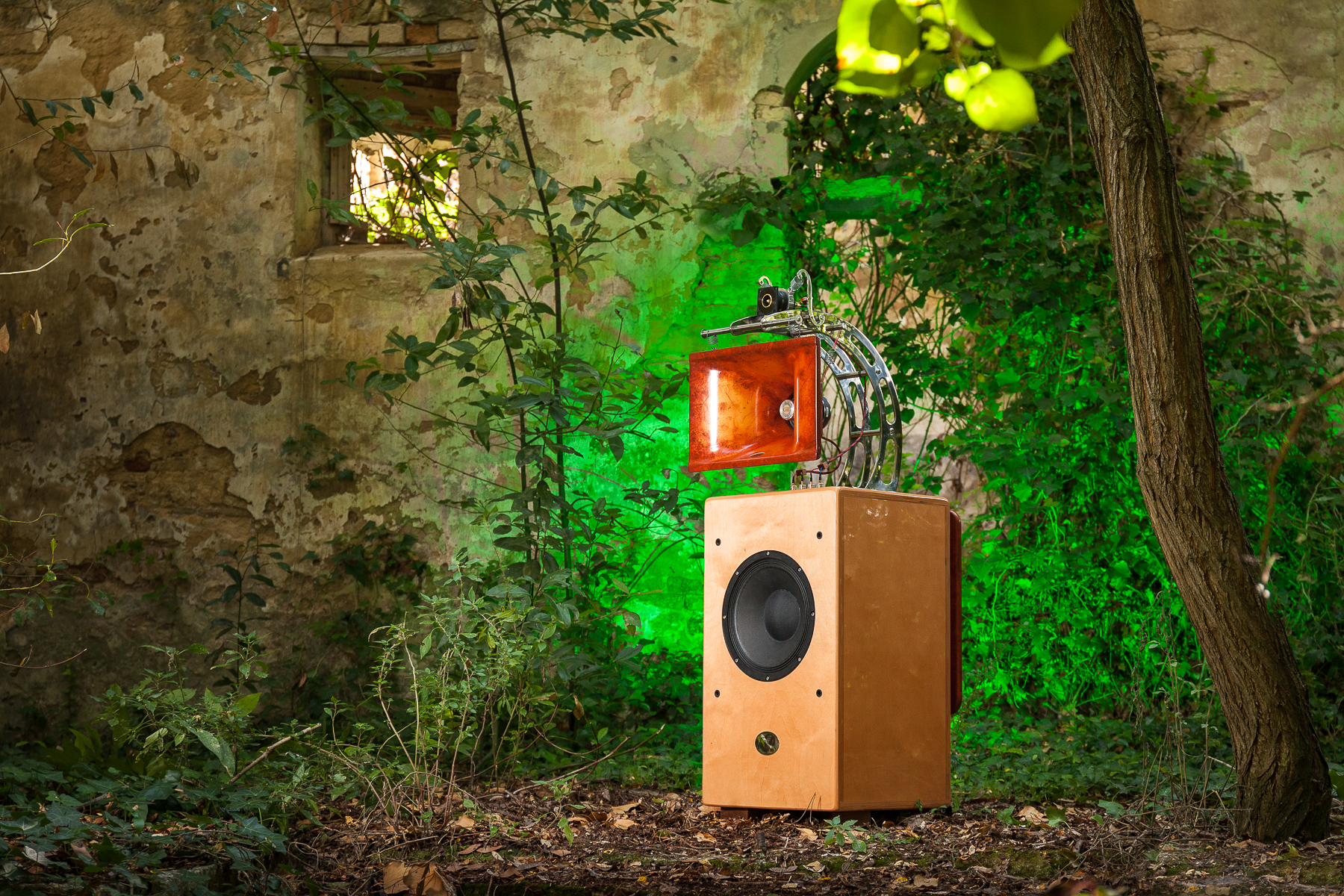
CY was conceived with all the above considerations firmly in mind. It has been designed as an “assisted” single-driver system: the greater part of the audio frequency range is covered by the midrange driver loaded by a waveguide. The octaves below 500 Hz are handled by a 12-inch woofer, while the upper treble, above 8 kHz, is reproduced by an AlNiCo magnet compression tweeter.
In this way, the critical vocal range remains uninterrupted by crossover points. Since the drivers are crossed over outside the vocal band, their transitions remain inaudible, allowing for a reproduction characterized by remarkable realism and coherence.
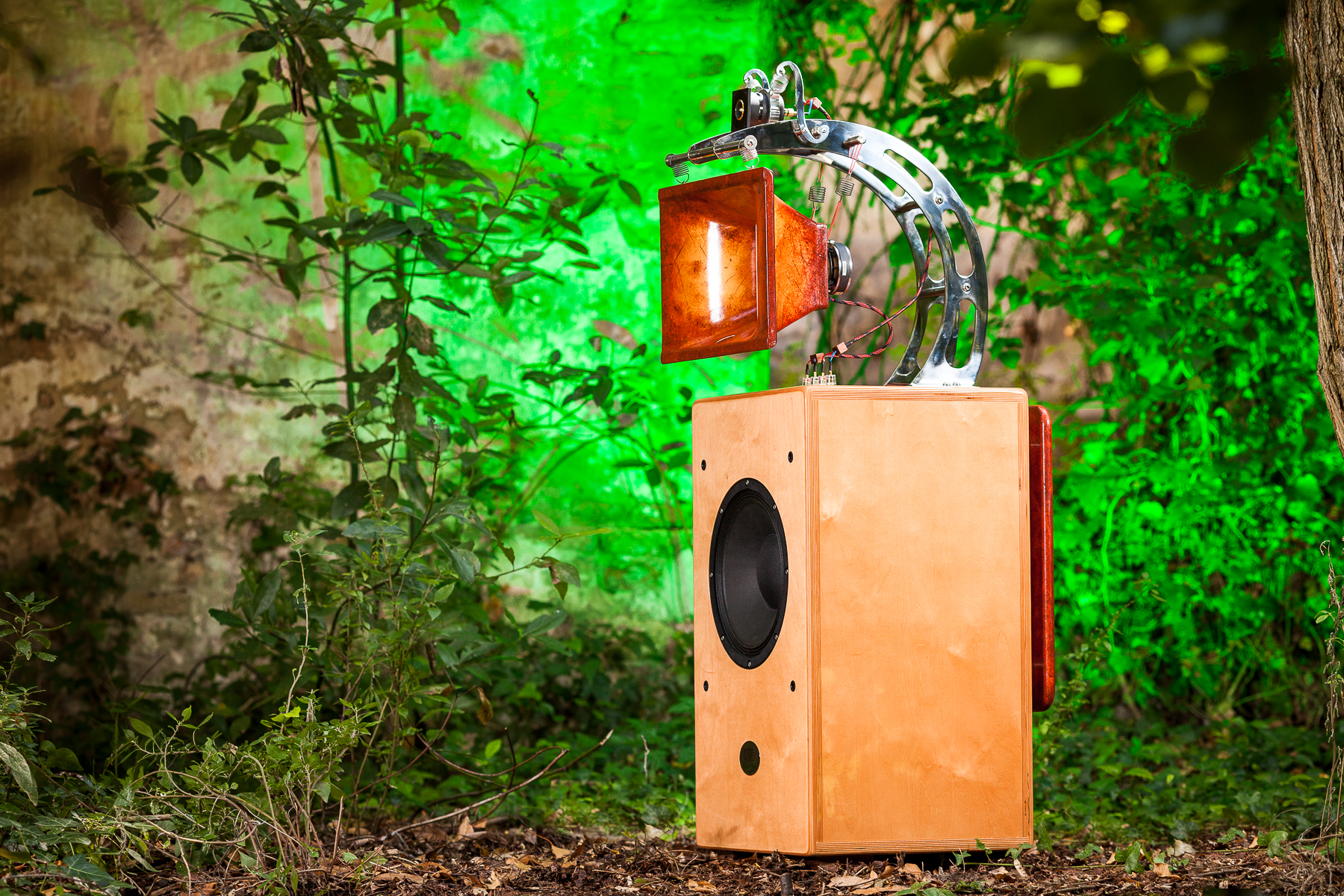

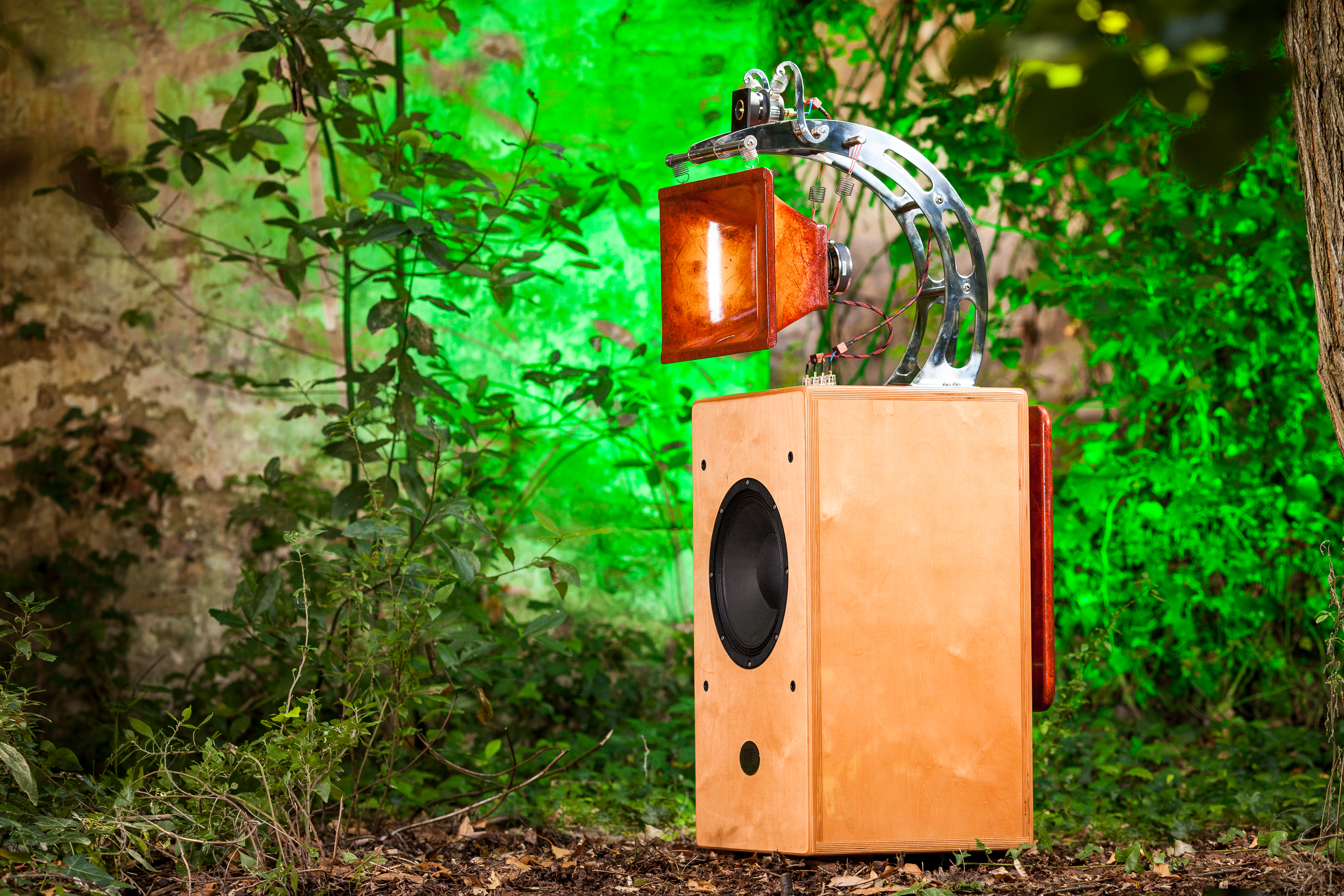
CY employs a 12-inch direct-radiating woofer. One cannot expect credible musical impact and low distortion from 6.5-inch woofers operating with excursions of 2 cm or more. The low-frequency performance of such small woofers relies on extremely large cone excursions, made possible by very compliant suspensions, and on the resonance of the air enclosed within the cabinet. This is the perfect recipe for extremely high energy storage!
In fact, it is self-evident that a woofer moving back and forth over such long distances cannot accurately follow the rapid variations of the musical signal. It generates substantial intermodulation distortion and can never be ready for the next signal because it is perpetually “in transit”. In my opinion, the bass produced by these systems is monotonous, lacking articulation and liveliness. Furthermore, Doppler distortion is considerable.
Conversely, a large-diameter woofer requires much less displacement to move the same volume of air and exhibits significantly higher acoustic radiation impedance (in other words, its cone couples much more effectively to the air it must set into motion). As a result, it is capable of delivering much more realistic dynamics and impact. I am not inventing anything here: this is simply what Physics tells us.
The woofer used in the CY is inspired by professional drivers of the past. It features a paper cone and a fabric surround. Its very lightweight cone, combined with a remarkable force factor of 17 Tesla metres, allows extremely rapid acceleration of the moving assembly. The sufficiently stiff suspension quickly returns the moving assembly to its resting position.
The basket is made of die-cast aluminium, as it could hardly be otherwise, considering the weight of the 200 mm diameter magnet.
Last but not least, it features an underhung motor design. This means that all the voice-coil turns remain active, and the declared Xmax (the maximum linear cone excursion) is achieved while keeping all the windings immersed in the magnetic field within the gap.
Building such a magnetic motor is extremely costly because it requires very tall pole plates, which tend to reduce the intensity of the magnetic flux density vector, unless—as is the case here—this effect is compensated for by large-diameter magnets.
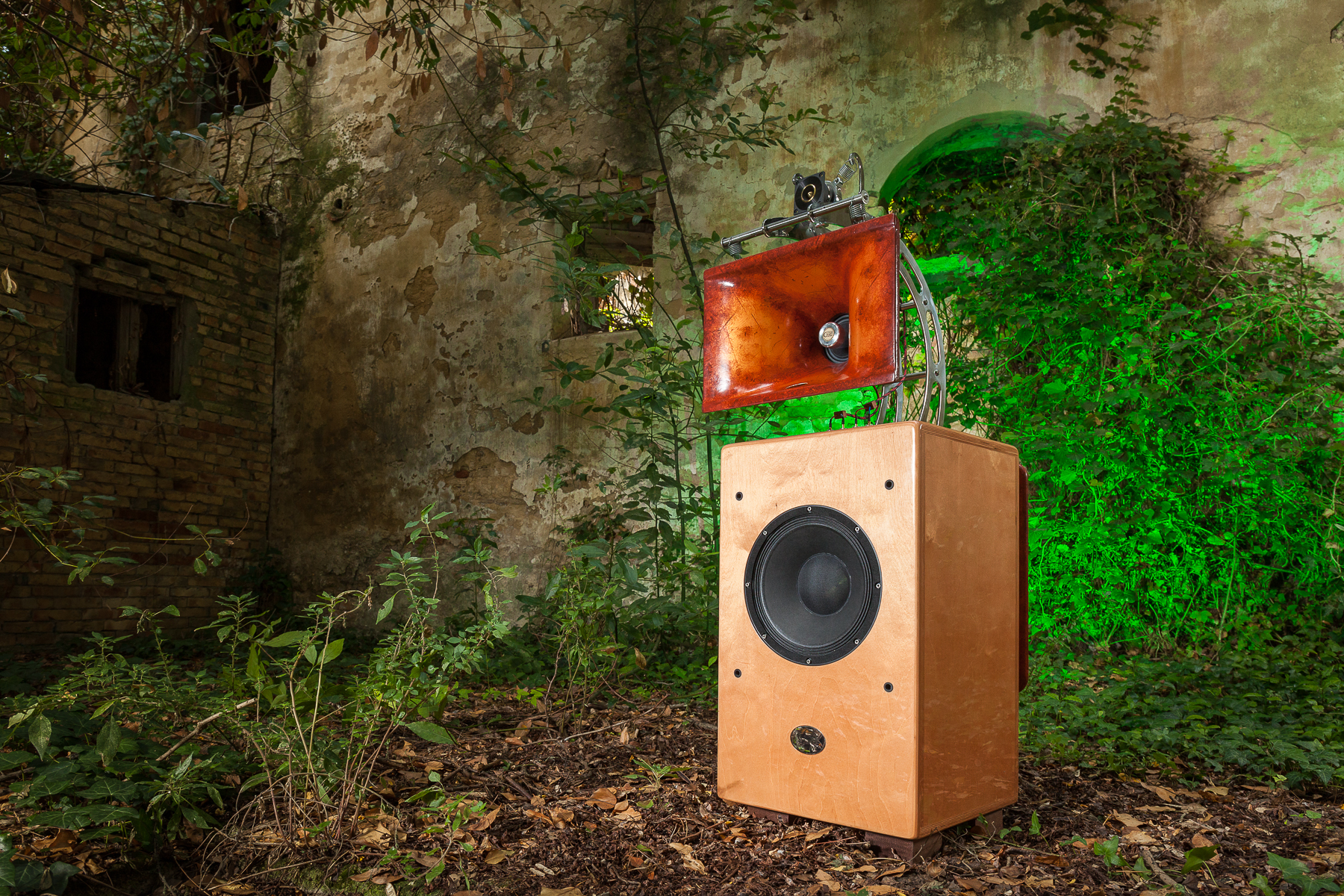
CY features an electrical crossover at a very low frequency of just 500 Hz, with a gentle electrical slope. The natural roll-off characteristics of the drivers themselves are deliberately exploited. The crossover is intended to assist rather than impose its operation.
A mechanical filter has also been successfully tested in the SN3 model and will be incorporated into the upcoming SN5. With this approach, the electrical crossover is reduced to its bare minimum, fully in keeping with the Zero Storage philosophy.
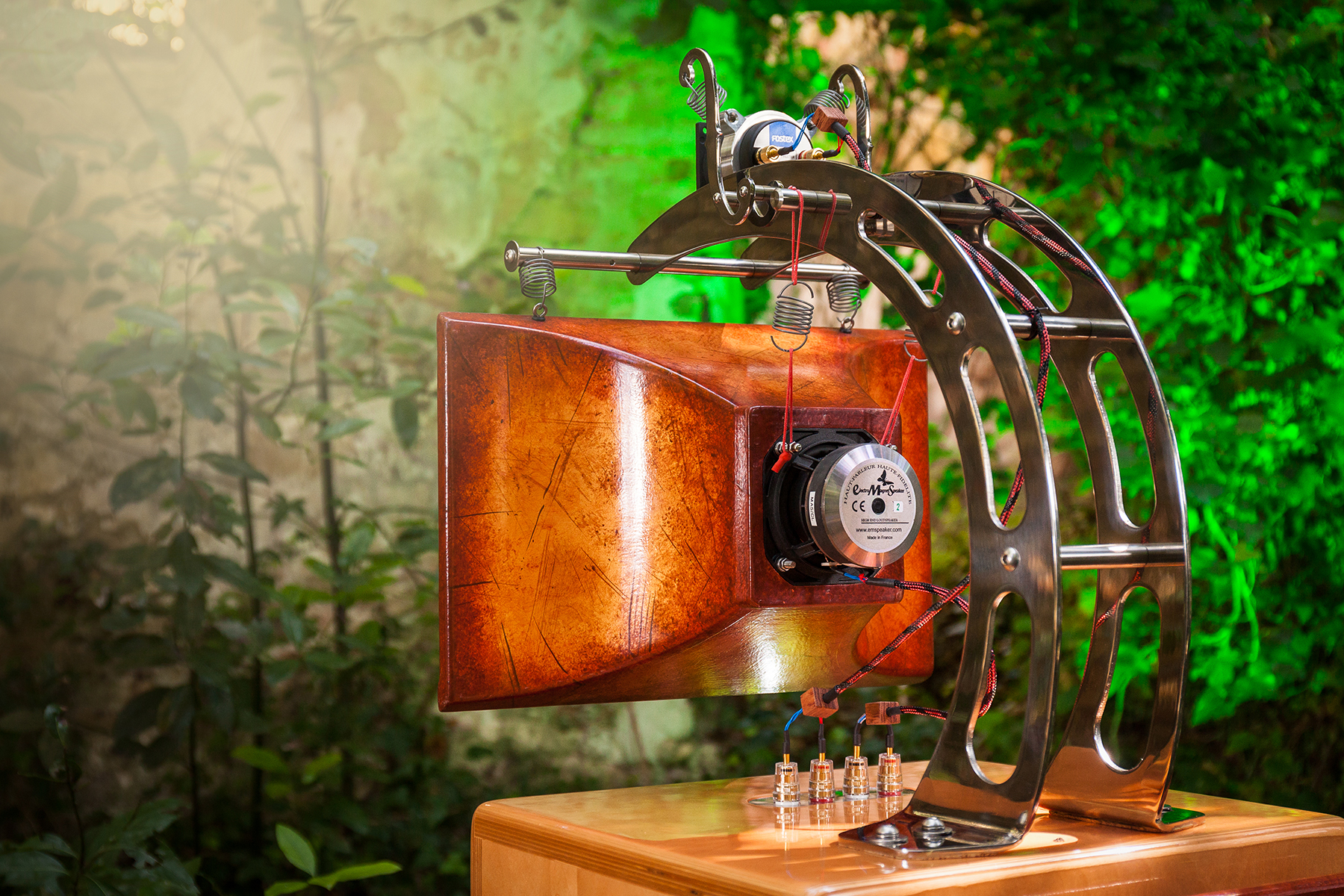
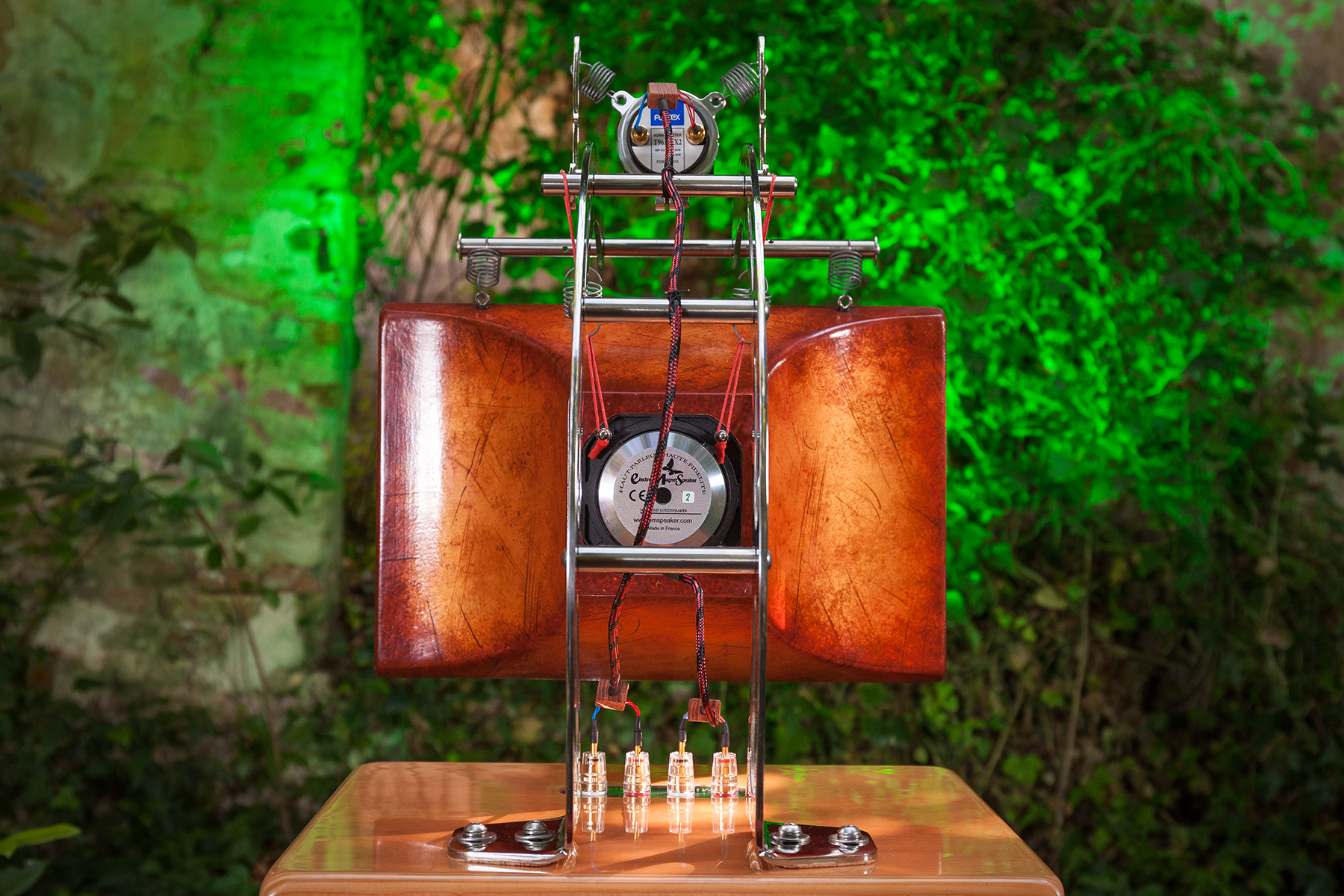
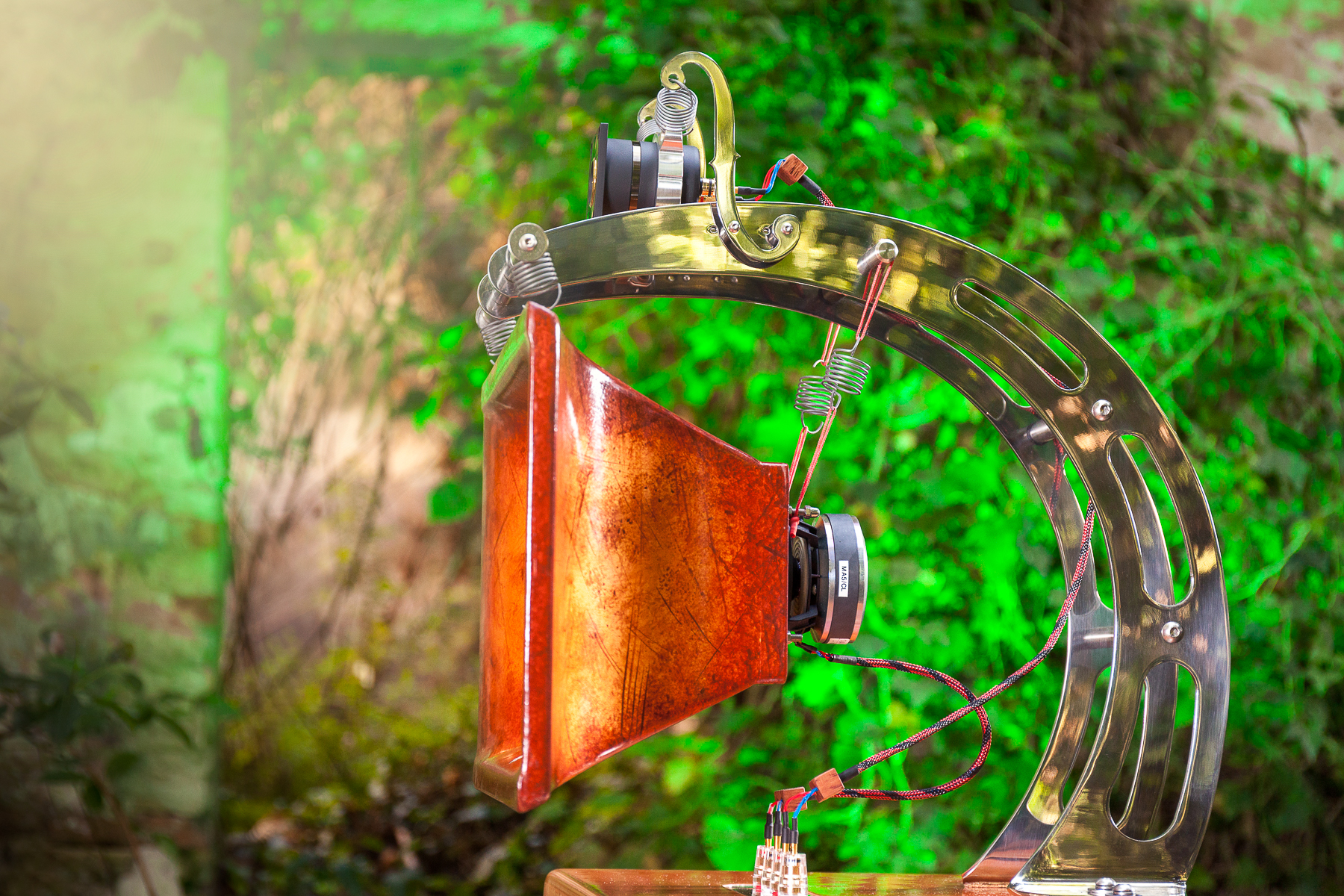
The upper section features a 5-inch full-range driver with an exceptionally high acceleration factor and an ultra-lightweight paper cone weighing just 3 grams. It operates in a waveguide whose mouth dimensions follow the Golden Ratio.
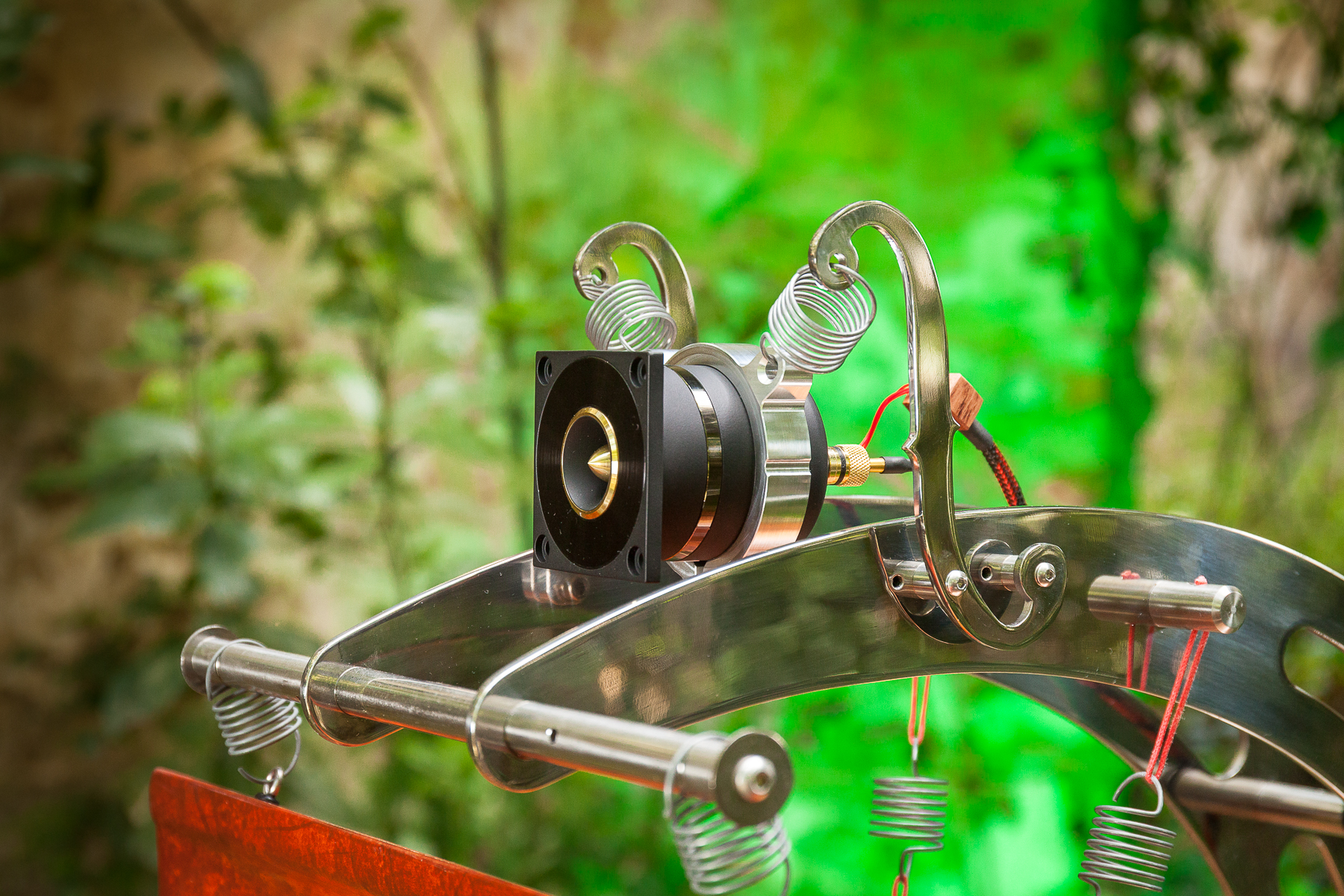
Mounted on its central pole piece is a solid-machined ERGAL acoustic phase plug, which optimizes the response throughout the driver's operating range and acts as a mechanical filter for frequencies above 8 kHz.

Furthermore, thanks to the transformer-based level control on the midrange section, its low-frequency filtering is assisted by the natural roll-off of the magnetic element. Through careful calculation of the transformer's primary inductance, the driver is elegantly assisted in achieving its intended frequency response.
These are examples of how Clinamen Audio designs according to the Natural Way of Sound: making deliberate use of parameters that, depending on the boundary conditions in which they operate, become advantageous characteristics rather than shortcomings.
In the waveguides, the driver faces the horn with a 1:1 ratio (throat area equal to cone area), thereby eliminating distortion caused by air compression. More importantly, the resulting increase in efficiency is perfectly suited to matching the woofer's sensitivity of 96 dB/W/m.
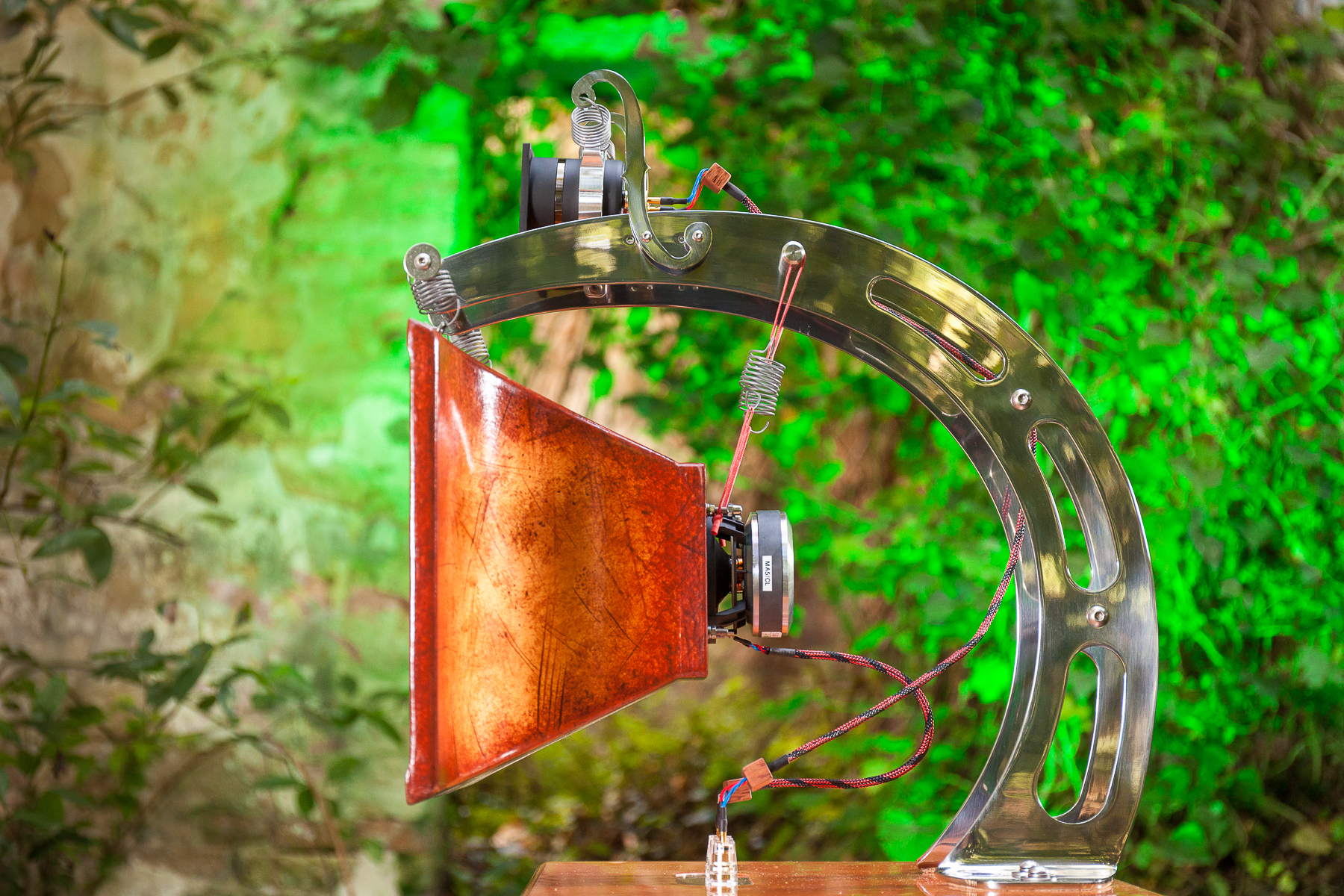
In conventional Hi-Fi applications of compression drivers, all the inherent drawbacks of horn loading (colorations, nonlinearities and distortion) are accepted in pursuit of extremely high efficiency. This efficiency is then often sacrificed, since it is usually far too high to match the sensitivity of the bass section. A waveguide, on the other hand, provides precisely the increase in efficiency needed to match the woofer's sensitivity.
The entire upper section of CY (midrange driver, waveguide and tweeter) is suspended from the main enclosure by a 5 mm thick AISI 304 stainless steel truss, reinforced with transverse connecting bars.
The compliant mounting of the waveguide and tweeter creates a mechanical low-pass coupling with an extremely low resonant frequency (Fs). This means that vibrations above just a few hertz cannot pass through this mechanical isolation system and therefore cannot interfere with the proper reproduction of the midrange and tweeter.
I would also like to emphasize the aesthetic elegance of the tweeter support: two F-shaped brackets, which, by means of springs, support a solid-machined ERGAL ring to which the tweeter itself is securely attached.
The crossover is, of course, hard-wired in free air on a birch plywood board, and uses crossover components of exceptional and exclusive quality. The woofer inductor is a superb component with its magnetic flux fully guided through a core, offering a parasitic resistance of just 0.12 ohms. The woofer benefits directly from this, with improved damping, speed and harmonic richness.
The internal wiring is made with Clinamen silver-plated copper cable, Teflon insulated. The enclosure is constructed from 24 mm thick birch plywood, with interlocking panel joints, while the internal acoustic damping material is genuine wool felt.
The woofer is loaded in a tuned enclosure with an adjustable rear tuning port, using a proprietary tuning system that evolved from the TDR (Tuned Distributed Reflex) used in the SN1, SN2 and SN4, into the current and more advanced ZSRL (Zero Storage Radial Loading).
The ability for the customer to adjust the tuning frequency is a highly significant feature: it facilitates the integration of the loudspeaker into the listening environment while also allowing the system to be tailored to the listener's preferences.
The quality and articulation of the bass delivered by ZSRL are simply unknown in conventional bass-reflex and acoustic-suspension systems. In terms of performance, it yields only to horn loading—which, in domestic environments, and when genuine extension into the lowest frequencies is required, becomes quite prohibitive in terms of physical size.
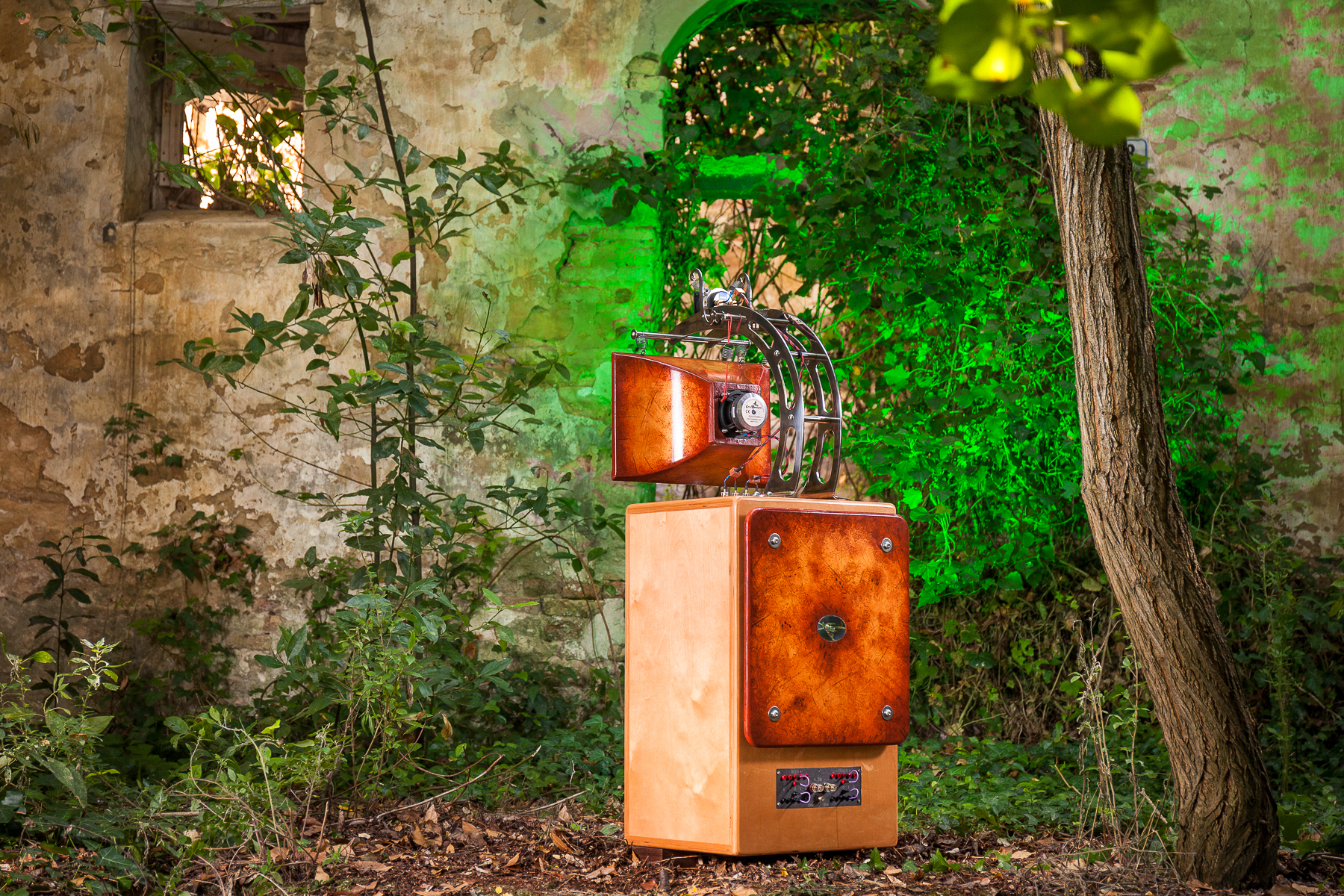
On the rear panel of the CY, the output level of both the midrange and treble sections can be adjusted. Both the midrange driver and the tweeter can be set to one of five separate output levels, in 1 dB increments.
The controls are inductive in nature, using magnetic elements rather than resistive components. Conventional L-pads or resistive attenuators introduce significant dynamic limitations and tonal coloration.
Level switching is implemented using a plug-and-socket system to ensure the highest possible quality of electrical contact, something a rotary switch cannot reliably provide.

CY SN3 & SN5 DATA SHEET
• Three-way floorstanding loudspeaker system with waveguide, designed for low-power, high-quality systems and entirely handcrafted.
• Real system sensitivity: 96 dB/W/m.
• SN5 dimensions: width 45 cm, height 122 cm including feet, depth 52 cm. The SN3 enclosure is 10 litres smaller.
• 12-inch woofer with an underhung voice-coil geometry and die-cast basket.
• Mechanical filter on the woofer.
• Proprietary Clinamen ZSRL (Zero Storage Radial Loading) woofer-loading system, featuring zero-storage tuning with distributed radial output and adjustable tuning frequency.
• 23 mm birch plywood enclosure with interlocking joints.
• Upper section featuring a 4-inch EMS CUSTOM full-range driver with dipole radiation, front-loaded into a waveguide with a low cutoff frequency.
• Fostex T96A-EX2 tweeter, a special component manufactured by Fostex Japan, with horn and bronze phase plug.
• Tweeter suspended by a custom Clinamen mounting system, machined from solid ERGAL.
• Waveguide with a Golden Ratio mouth, machined from solid 25 mm birch plywood and profiled on all four sides. Proprietary horn-profile development.
• Solid-machined ERGAL acoustic phase plug on the midrange section.
• Tweeter and waveguide suspended by springs from a gold-ratio steel arm made of stainless steel. This low-frequency elastic suspension system effectively prevents vibration from propagating from the main enclosure into the horn assembly.
• Inductive adjustment of the midrange and high-frequency sections: −2 dB / −1 dB / 0 / +1 dB / +2 dB.
• Level adjustment implemented using proprietary transformers, with no resistive L-pad.
• Level switching via a plug-and-socket system for maximum electrical contact quality.
• Very low electrical crossover frequency of just 500 Hz, for maximum coherence and naturalness. The entire 500 Hz–8 kHz range is reproduced by the waveguide, with no crossover point within this critical range.
• Low-order electrical crossover with minimal phase rotation, hard-wired in free air on a birch plywood board.
• Woofer filter inductor featuring Zero DCR technology, with magnetic flux fully confined within the core.
• Polypropylene capacitors.
• Natural felt acoustic damping material.
• Internal Clinamen wiring using silver-plated, Teflon-insulated cable.
• Provision for grounding the woofer basket.
• Maximum applicable electrical power: 20 W RMS.
• Recommended amplifier power: 4–15 W, preferably tube, Class A, zero-feedback amplification.
• All fasteners made of stainless steel.
PRICES AND ACCESSORIES
The price has increased according to the production serial number, reflecting the ongoing evolution of the design and construction. SN3 is priced at €20,000, while the SN5 currently under construction is offered at €22,500.
The finish of the SN5 enclosure and waveguide is selected together with the customer.
Orders are placed with a 30% deposit, which constitutes a mutual commitment between Clinamen Audio and the customer. The deposit is non-refundable in the event of cancellation.
Lead time is 6–9 months from the date of order.
The use of Clinamen Audio spring-decoupling feet beneath the loudspeakers is recommended.
Clinamenaudio • Dott. Ing. Stefano Buttafoco
Contrada Barattelli 3A
San Benedetto del Tronto (AP) 63074
C.F.: BTTSFN74M01H769L / P.IVA: 02123590446
Registro AEE : IT20070000012328
Update cookie preferences
Tel. cellulare (+39) 340 8756612
Tel. laboratorio (+39) 0735 782043
E-mail: info@clinamenaudio.com
Instagram  :https://instagram.com/clinamenaudio